

Sympathy, even when offered with love, often puts space between people. It can sound like, “I feel sorry for you” — which may leave the other person feeling smaller or less capable.
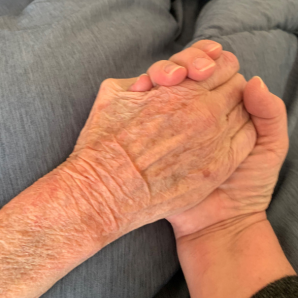
Empathy, on the other hand, closes the gap. It says, “I’m here with you. I believe in your strength, and you’re not alone.”
Instead of diminishing, it uplifts. Instead of creating distance, it builds connection.
That “What Do I Say?” Moment
As caregivers, this question comes up all the time. Someone we love shares a fear, a frustration, or a heavy moment — and we feel that tug: what do I say right now?
Do I comfort them? Offer advice? Step in and fix it?
I’ve been there. And over time, I’ve noticed something: the difference between sympathy and empathy changes everything.
🌿 Gentle Reminder: True connection grows when we listen more than we speak.
When Sympathy Creates Distance
When I slip into sympathy, it almost feels like I’m saying, “Oh, poor you. I don’t think you can handle this.”
Even though my heart is in the right place, sympathy can unintentionally carry a tone of pity. And pity, even when dressed up as kindness, has a way of making the other person feel smaller — as if I’m standing above them, shaking my head at their struggle instead of standing beside them in it.
As a caregiver, I know how easy it is to fall into this trap. We want to comfort, to soften the blow, to reassure. But sometimes sympathy can feel like we’re quietly labeling someone as fragile, helpless, or defined by their hardship.
For example, when a loved one received difficult health news, my first instinct was to say something like: “Oh, that’s so awful — I don’t know how you’re going to get through this.” The words came from care, but they landed in a way that suggested I doubted their strength. It was sympathy, but it unintentionally created distance.
What they really needed was empathy — for me to sit with them, acknowledge how heavy it felt, and remind them they weren’t alone.
I want the people I support to feel capable, not broken. Seen, not diminished. Stronger because I’m standing with them, not weaker because I’m looking down on them.
Empathy Feels Different
Empathy, on the other hand, feels completely different.
When I empathize, I’m standing with someone, not looking down on them. I’m saying, “I hear you. I see you. I’m here with you.”
And here’s the key for caregivers: empathy doesn’t require me to jump in with answers, strategies, or quick fixes. In fact, it frees me from that pressure. I don’t need to solve their struggle or take it on as my own.
Instead, I can offer something far more valuable — my presence. I can sit with them in the messiness of the moment, listen without judgment, and give encouragement without trying to control the outcome.
This matters because so often, as caregivers, we carry an invisible weight — believing it’s our responsibility to make things better, to take away the pain, or to hold all the pieces together. But empathy gently reminds us: you don’t have to carry it for them to care deeply about them.
By empathizing, I allow myself to truly care — with open hands instead of clenched fists. I’m not drained by absorbing their stress or anxiety, and I’m not unintentionally making them feel smaller. Instead, I’m helping them feel capable, supported, and less alone.
That’s the quiet strength of empathy. It connects us without consuming us.
🌸 Kindness Key: Offer a smile, a note, or a few minutes of undivided attention — tiny actions, lasting ripple.
A Quick Story
One of my kids came home upset after failing a big exam. They were devastated and felt like a huge failure.
If I had answered with sympathy, it might have sounded like:
“Oh, poor thing. You must feel awful — I don’t know how you’ll get through this class.”
But empathy sounded more like:
“I can tell you’re disappointed. I’ve struggled with hard classes too, and I know how discouraging it can feel. Let’s figure out the next step together.”
See the difference? One response makes them feel smaller, while the other helps them feel seen and supported.
The Gift of Presence
For caregivers, this shift matters deeply. Empathy lets me care with my whole heart — without burning myself out by taking on someone else’s stress or anxiety.
I can honor their experience and protect my own peace. That’s not coldness — that’s conscious care.
Because sometimes, the greatest gift we can give someone isn’t a solution. It’s simply our presence.
🪞 Remember: the next time someone shares their heart with you, notice your first response. Are you leaning into sympathy or empathy? Try standing beside them instead of looking down — and see what changes.

Leave a Reply